My role in COMP006
I contribute to medical and psychiatric assessment, informed consent, participant preparation, medicine-session support, safety oversight and integration within the study protocol.
Psychedelic research
My work at the Psychoactive Trials Group, Institute of Psychiatry, Psychology & Neuroscience, King’s College London spans three regulated Phase III programmes investigating psychedelic treatments for depression and anxiety.
My contribution
In COMP006, I work as a Sub-Principal Investigator and Therapist, contributing to assessment, preparation, medicine-session support, safety and integration. In PANORAMA and CYB003, my role is solely therapeutic. These pages summarise the publicly available evidence and trial status; they do not disclose participant information or unpublished study data.
People & place
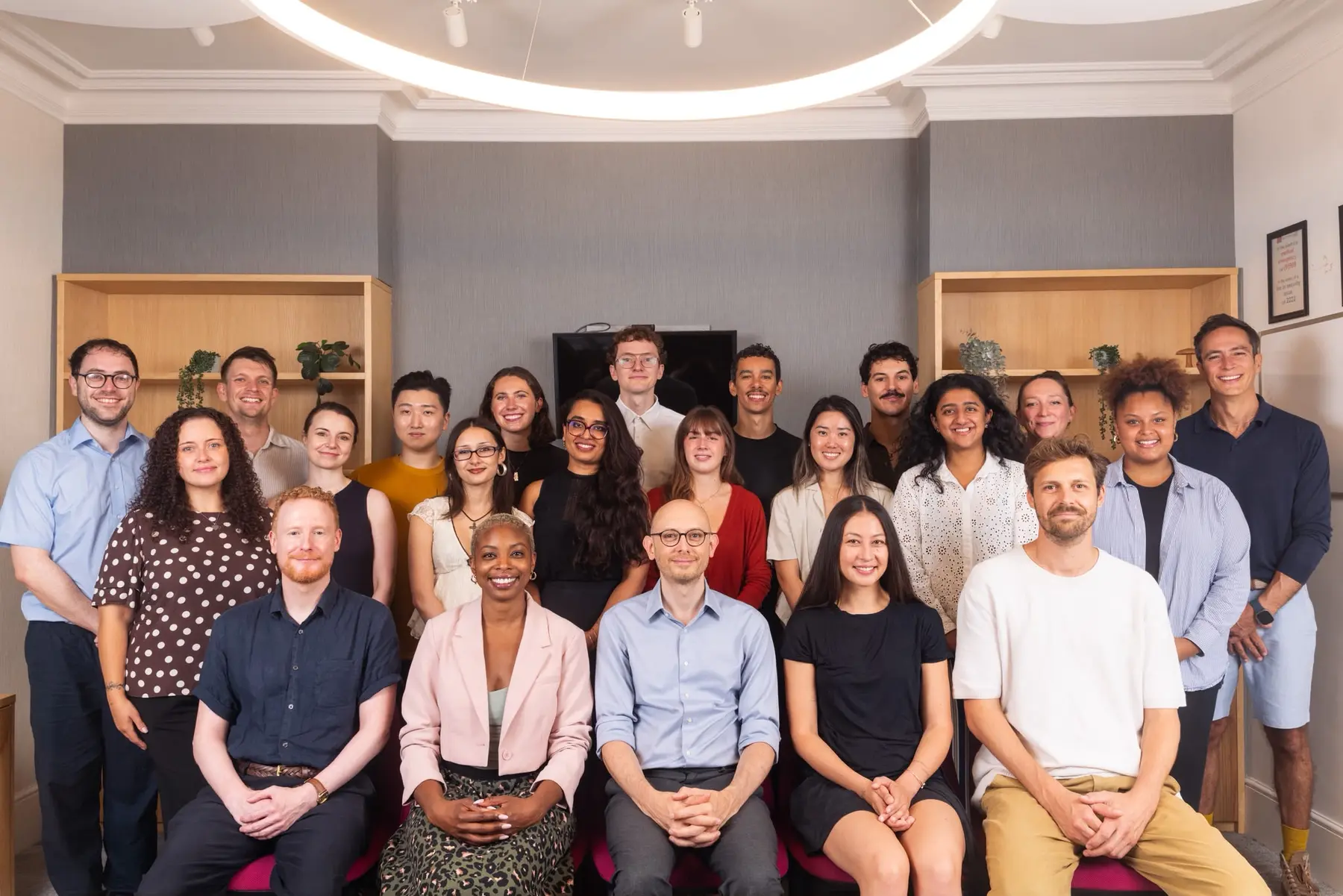
Clinical research is a collective endeavour. I work alongside a multidisciplinary team committed to careful science, participant safety and thoughtful therapeutic support at the Centre for Mental Health Research, King’s College London.
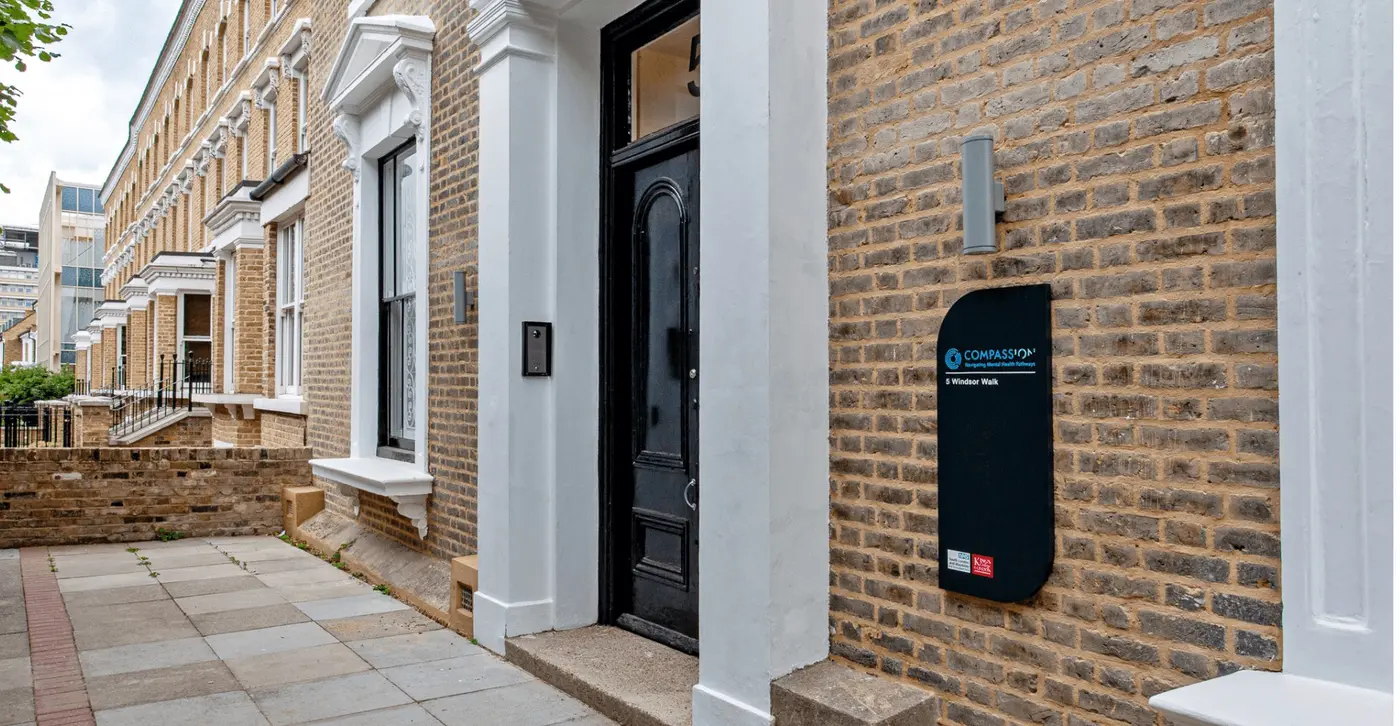
COMP360 is COMPASS Pathways’ investigational synthetic psilocybin formulation. The Phase III programme includes COMP005 and COMP006. At King’s, I work on COMP006 as a Sub-Principal Investigator and Therapist.
I contribute to medical and psychiatric assessment, informed consent, participant preparation, medicine-session support, safety oversight and integration within the study protocol.
A randomised, double-blind study involving 581 dosed participants across North America and Europe. Two fixed doses, three weeks apart, of 25 mg COMP360 are compared with 10 mg and 1 mg arms, with potential retreatment during 52 weeks of follow-up.
In July 2026, COMPASS reported that COMP006 met its primary endpoint at week 6. Separation between the 25 mg and 1 mg arms was maintained through week 26. The company reported no new safety findings.
The latest COMP005 update also reported 40–45% response and approximately 30% remission across the six weeks following open-label Part C dosing, with no new safety signal. Because Part C was open-label, these findings require appropriately cautious interpretation.
Read the latest COMPASS update ↗All compounds described here remain investigational. The figures are topline results reported by study sponsors and should not be interpreted as proof of regulatory approval or as medical advice. Last reviewed: 13 September 2026.